Obsidian: Ultimate Guide to Boost Your Productivity Today

Have you ever wondered what makes obsidian so special? This shiny, black volcanic glass has fascinated people for centuries.
Whether you’re curious about its mysterious origins, its uses in history, or how it can add a unique touch to your collection, you’re in the right place. By the end of this article, you’ll see obsidian in a whole new light—and maybe even want to get your hands on some.
Ready to discover the secrets behind this powerful stone? Let’s dive in.
Why Choose Obsidian
Choosing the right tool for note-taking and knowledge management is crucial. Obsidian offers a unique approach that many find effective. It focuses on linking ideas and organizing information naturally. This helps users build a personal knowledge base that grows over time. Obsidian works offline and stores files locally, giving users full control.
Key Features
Obsidian uses plain text files in Markdown format. It allows easy linking between notes using simple syntax. Users can create graphs to visualize connections between ideas. The app supports plugins and themes for customization. Obsidian also offers strong search functions and version control. It works across different devices with syncing options.
How It Enhances Productivity
Obsidian helps keep ideas clear and connected. Linking notes reduces time spent searching for information. The graph view shows relationships, sparking new insights. Users can focus on writing without distractions. Custom plugins automate tasks and improve workflow. Offline access ensures no interruptions during work.
Comparison With Other Tools
Unlike cloud-based apps, Obsidian stores data locally. This improves privacy and control over notes. It offers more flexibility than simple note apps. Obsidian’s linking system is stronger than many competitors. Other tools may limit customization and file formats. For users who want deep connections, Obsidian stands out.

Credit: shubhanjalistore.com
Getting Started With Obsidian
Starting with Obsidian is simple and welcoming. This tool helps you take notes and link ideas clearly.
Obsidian works on your computer, so you keep your notes private and safe. The app feels light yet powerful, perfect for beginners.
Installation Steps
Go to the official Obsidian website. Choose your operating system: Windows, Mac, or Linux. Download the installer file. Open it and follow the instructions to install. Once done, launch the app to begin.
Basic Interface Walkthrough
The main screen shows a sidebar on the left and a blank note area on the right. The sidebar contains options for files, tags, and search. At the top, find buttons for creating new notes and settings. The simple layout helps you focus on writing and organizing.
Creating Your First Notes
Click the “New Note” button to start writing. Give your note a clear title. Write your thoughts in the large area. Use simple text or add bullet lists and links. Save your work automatically as you type.
Mastering Core Functions
Obsidian is a powerful note-taking tool that helps organize ideas clearly. Learning its core functions improves productivity and keeps your notes connected. These basics allow easy access and better management of your information.
Focus on three key areas: linking notes, using tags, and navigating your vault. Each part plays a role in creating a smooth workflow. Understanding these will help you work smarter in Obsidian.
Linking Notes
Linking notes connects ideas across your vault. Use double brackets [[ ]] to link one note to another. This creates a web of related information. Clicking the link opens the connected note instantly. You can link new notes or existing ones. This helps you find related topics fast. Linking builds a network of knowledge, not just isolated pages.
Using Tags Effectively
Tags organize notes by category or topic. Add a hashtag followed by a word inside your note. Tags group similar notes for quick filtering. Use clear and simple tags for easy recall. Avoid too many tags; keep them meaningful. Tags make searching and sorting notes simpler. They also help track themes across your work.
Search And Navigation Tips
Obsidian’s search tool finds keywords inside all notes. Use it to locate specific information fast. You can search by note title or content. Use filters to narrow down results by tag or date. Keyboard shortcuts speed up navigation between notes. The backlink panel shows where a note is mentioned. These tools save time and keep your workflow smooth.

Credit: patrickadairdesigns.com
Advanced Techniques
Advanced techniques in Obsidian help users work smarter and faster. These methods go beyond basic note-taking. They improve organization and save time. Learning these can make your workflow smoother and more efficient.
Customizing With Plugins
Plugins add extra features to Obsidian. They let you tailor the app to your needs. Some plugins help with task management. Others improve the way you view notes. You can find many free plugins in the community. Installing the right plugins makes your workspace unique and powerful.
Templates For Faster Workflow
Templates save time by reusing note formats. Create templates for meeting notes, daily journals, or project plans. They keep your notes consistent and neat. Using templates reduces repetitive typing. This lets you focus on ideas, not formatting.
Automation And Hotkeys
Automation speeds up regular tasks in Obsidian. Use hotkeys to open notes or run commands quickly. You can assign keys to frequent actions. This cuts down mouse use and saves seconds each time. Automating small tasks adds up to big time savings.
Organizing Your Knowledge
Organizing your knowledge in Obsidian makes your notes easier to find and use. It helps you connect ideas and keep information clear. Good organization saves time and improves your learning and work.
Building A Personal Wiki
Obsidian lets you build a personal wiki with simple links between notes. You create pages for topics and connect them with links. This structure helps you see how ideas relate. Your wiki grows as you add more notes. It becomes a smart map of your knowledge.
Graph View For Visualizing Ideas
The graph view shows all your notes as dots connected by lines. It gives a big picture of your ideas and how they link. You can spot clusters of related notes and find gaps in your knowledge. This visual tool helps you think better and organize thoughts clearly.
Folder Structures And Naming
Use folders to group similar notes by topic or project. Keep folder names short and clear. Use a consistent naming style for notes. This makes searching and browsing easier. Good folder and note names help you find information fast. They keep your vault tidy and simple.
Integrations And Syncing
Obsidian is a powerful note-taking app that supports many ways to connect and sync your data. These features help you keep your notes safe and accessible on all your devices. You can choose different syncing methods based on your needs and devices.
Sync Options
Obsidian offers multiple syncing options. You can use Obsidian Sync, a paid service designed for fast and secure syncing. It keeps your notes updated across devices automatically.
For free alternatives, cloud services like Dropbox, Google Drive, or iCloud work well. These sync your Obsidian folder, so your notes stay current. Using third-party sync requires some setup but saves money.
Local syncing is also possible. Sync your files manually using USB or local network sharing. This method is safe and private but needs more effort.
Connecting With Other Apps
Obsidian integrates with many other apps to improve your workflow. You can link your notes with calendar apps to track tasks and deadlines. Plugins allow connection to task managers like Todoist or Trello.
Markdown support helps you export notes to apps like Notion or Evernote. You can also embed media from apps like Spotify or YouTube inside your notes. These connections make Obsidian more flexible and useful.
Backup Strategies
Backing up your notes is essential. Use cloud storage for automatic backups. Services like Dropbox or Google Drive save your data safely in the cloud.
You can also create manual backups. Copy your entire vault to an external drive or another folder regularly. This method protects your notes from accidental loss.
Consider using version control systems like Git. It tracks changes over time and lets you restore old versions easily. Backups keep your work safe and stress-free.
Tips For Daily Productivity
Obsidian helps boost daily productivity by organizing your thoughts and tasks. Small habits make a big difference. Using Obsidian every day keeps your work clear and focused.
Creating A Note-taking Routine
Start by opening Obsidian at the same time each day. Write quick notes about your tasks and ideas. Keep notes short and to the point. Use tags to group related notes. This routine builds consistency and saves time.
Review And Reflection Methods
Set a daily time to review your notes. Check completed tasks and update unfinished ones. Reflect on what worked and what did not. Add new ideas or change priorities. This habit improves focus and keeps you on track.
Avoiding Common Pitfalls
Avoid writing long, confusing notes. Break big ideas into smaller parts. Don’t forget to back up your notes regularly. Avoid clutter by deleting or archiving old notes. These steps keep Obsidian clean and easy to use.
Credit: www.crystalworldsales.com
Frequently Asked Questions
What Is Obsidian And How Is It Formed?
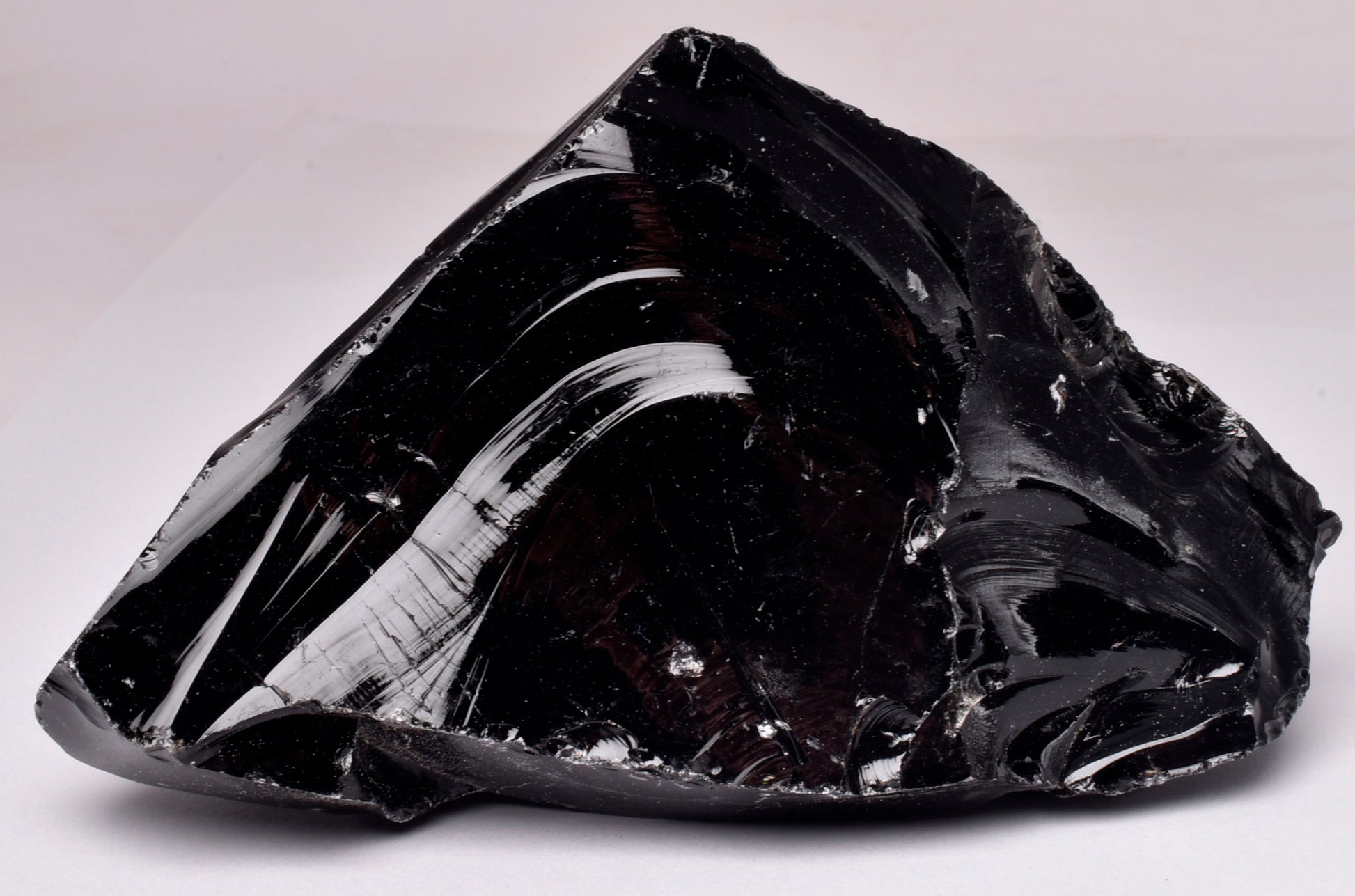
Obsidian is a natural volcanic glass formed when lava cools rapidly. Its smooth texture and sharp edges come from the quick cooling, which prevents crystal growth.
What Are The Common Uses Of Obsidian Today?
Obsidian is used in jewelry, decorative items, and surgical tools. Its sharpness makes it ideal for precise cutting instruments and artistic crafts.
How Can You Identify Real Obsidian?
Real obsidian is glassy, smooth, and usually black or dark. It breaks with sharp edges and has a shiny, reflective surface.
Is Obsidian Safe To Handle Or Use?
Obsidian is safe to handle but can have sharp edges. Handle with care to avoid cuts, especially when broken or shaped.
Conclusion
Obsidian offers unique beauty and strength in one stone. It has been used for centuries in tools and art. Its sharp edges and glossy look catch the eye easily. People value obsidian for both practical and decorative uses. This natural glass forms from cooled lava, making it rare and special.
Whether for crafting or collecting, obsidian holds a timeless appeal. Exploring its features shows how nature creates something simple yet striking. A small piece of obsidian tells a big story of Earth’s power.