Types: Ultimate Guide to Discovering Every Variation
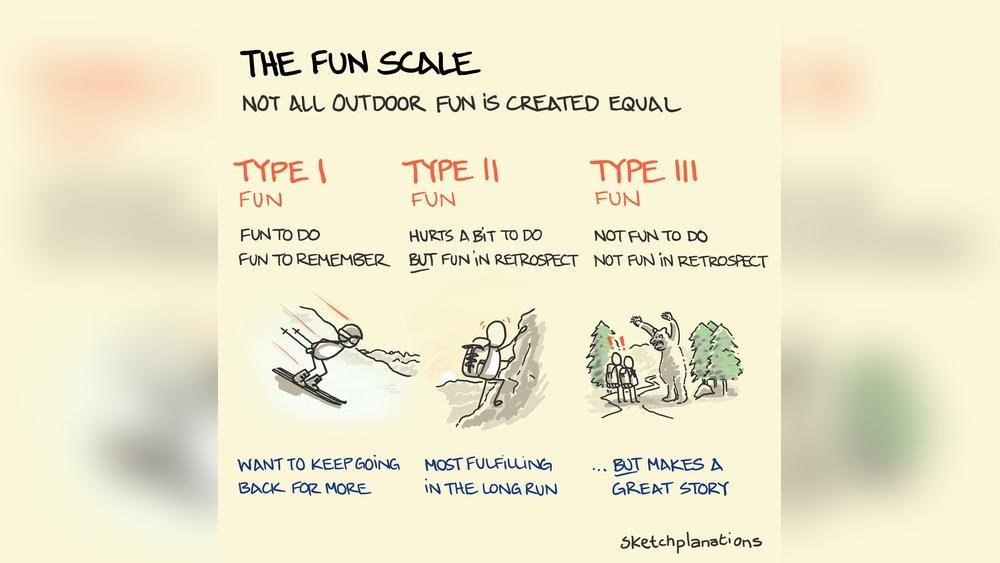
Have you ever wondered how knowing different types of something can make your life easier? Whether it’s types of communication, types of learning, or even types of technology, understanding these categories helps you make smarter choices every day.
You’ll discover clear explanations and examples that will open your eyes to new possibilities. Ready to see the world in a simpler, more organized way? Keep reading, because what you learn here could change how you approach your daily decisions.

Credit: goenergea.com
Common Types
Common types appear in many areas of life and work. Knowing them helps you understand and choose better. Each type has unique traits that set it apart. This section covers popular types and their key features.
Popular Variations
Types vary widely in form and function. Some are simple, others complex. Popular variations often include classic and modern forms. They serve different needs and preferences. Examples include standard, premium, and eco-friendly types. Each variation fits specific uses and styles. Recognizing these helps with selection and use.
Key Characteristics
Every type has distinct characteristics. These may involve size, shape, or material. Some types focus on durability, others on design. Functionality is a key trait in many types. Performance and cost also play important roles. Understanding these traits aids in making smart choices. It ensures the type matches your needs well.
Credit: haircode.com
Rare Types
Rare types stand out for their unusual traits and scarcity. They often attract attention due to their distinct characteristics. These types are less common but highly valued by enthusiasts. Learning about them adds depth to your understanding of the topic.
Unique Features
Rare types have traits not found in common varieties. Their colors, shapes, or behaviors can be very different. Some show special patterns or textures. Others have unique abilities or uses. These features make rare types interesting and special.
Where To Find Them
Rare types often exist in limited areas or environments. They may grow in isolated places or specific climates. Sometimes, they appear only in certain seasons or conditions. Finding them requires patience and careful searching. Experts or collectors often know the best spots to find rare types.
Historical Types
Historical types show how different styles and forms have shaped our culture. They help us understand the roots of many modern designs. By studying these types, we learn about past ideas and how they influence today’s world.
Origins And Evolution
Historical types began in ancient times with simple shapes and symbols. Early humans used these forms to communicate and record stories. Over centuries, these types evolved into complex styles.
Different cultures created unique designs based on their needs and beliefs. These designs changed as societies grew and technology advanced. Each era added new features to the types.
Impact Over Time
Historical types influenced art, writing, and architecture. They shaped the way people express ideas visually. Many modern fonts and graphics trace back to these old styles.
This impact continues to affect design choices in books, websites, and advertisements. Understanding these types helps designers create meaningful and clear messages. The legacy of historical types remains strong today.
Modern Adaptations
Modern adaptations bring new life to traditional types. They blend old styles with fresh ideas. This mix creates exciting and useful forms for today’s needs. Change happens fast in design and style. Staying updated helps keep things relevant and effective.
Recent Trends
Recent trends focus on simplicity and function. Clean lines and minimal shapes are popular now. Many designs use bright colors and bold fonts. This style helps grab attention and communicate clearly. Trends also include eco-friendly materials and digital-first approaches.
Innovative Designs
Innovative designs push the boundaries of type use. They combine technology with creativity. Examples include variable fonts that change shape dynamically. Interactive types that respond to user actions also appear. These designs make content more engaging and user-friendly.
Choosing The Right Type
Choosing the right type can make a big difference. It helps in getting the best results and saves time. You need to think about several things before making a choice. This section explains what to consider and how to match types to your needs.
Factors To Consider
Start by thinking about your main purpose. What do you want to achieve? Some types work better for certain tasks. Also, consider the cost. Some types are cheap, others are expensive. Think about how much you want to spend. Size and space matter too. Some types need more room than others. Durability is important if you want something to last. Finally, check how easy it is to use and maintain.
Matching Needs And Preferences
Match the type to your daily habits and style. If you prefer simple and quick, choose a type that fits. If you like detailed and complex, pick a type that allows that. Your comfort matters a lot. Think about what feels right to you. Also, check if the type fits your environment. For example, some types work well indoors, others outdoors. Consider your future needs as well. Your choice should grow with you.
Maintenance And Care
Proper maintenance and care extend the life of any product. Regular attention keeps it working well. Simple steps can prevent costly repairs or replacements. Care routines vary by type but share common principles. Understanding these helps save time and money. Follow clear guidelines for best results.
Best Practices
Clean items regularly using gentle methods. Avoid harsh chemicals that cause damage. Store products in dry, cool places. Check for wear and tear often. Replace worn parts immediately. Use recommended tools for repairs. Keep manuals handy for reference. Schedule routine inspections to catch issues early. Handle with care during use and transport.
Common Mistakes To Avoid
Ignoring small problems leads to bigger damage. Overloading or misuse shortens product life. Skipping regular cleaning causes buildup and corrosion. Using wrong cleaning agents damages surfaces. Storing items improperly invites mold or rust. Neglecting instructions results in voided warranties. Delaying repairs increases costs. Rough handling causes unnecessary wear.
Credit: www.dentalhairclinicturkey.com
Frequently Asked Questions
What Are The Main Types Covered In This Blog?
This blog explains various types relevant to the topic. It highlights key categories and their differences clearly. Readers gain a comprehensive understanding of each type’s features and uses.
How Do Different Types Impact User Experience?
Different types affect usability and accessibility. Choosing the right type improves engagement and satisfaction. Understanding types helps tailor solutions to user needs effectively.
Why Is Knowing Types Important For Beginners?
Knowing types helps beginners grasp core concepts quickly. It builds a strong foundation for advanced learning. This knowledge guides better decision-making and application in real scenarios.
Can Types Be Combined Or Customized?
Yes, types can often be combined or customized. This flexibility allows for tailored approaches and improved outcomes. Customization enhances relevance and functionality in various contexts.
Conclusion
Understanding different types helps you make better choices. Each type has unique features and uses. Knowing these can save time and effort. Explore options carefully to find what fits best. Keep learning to stay informed and confident. Types shape how we interact with many things.
Stay curious and open to new ideas. This knowledge supports smarter decisions every day.